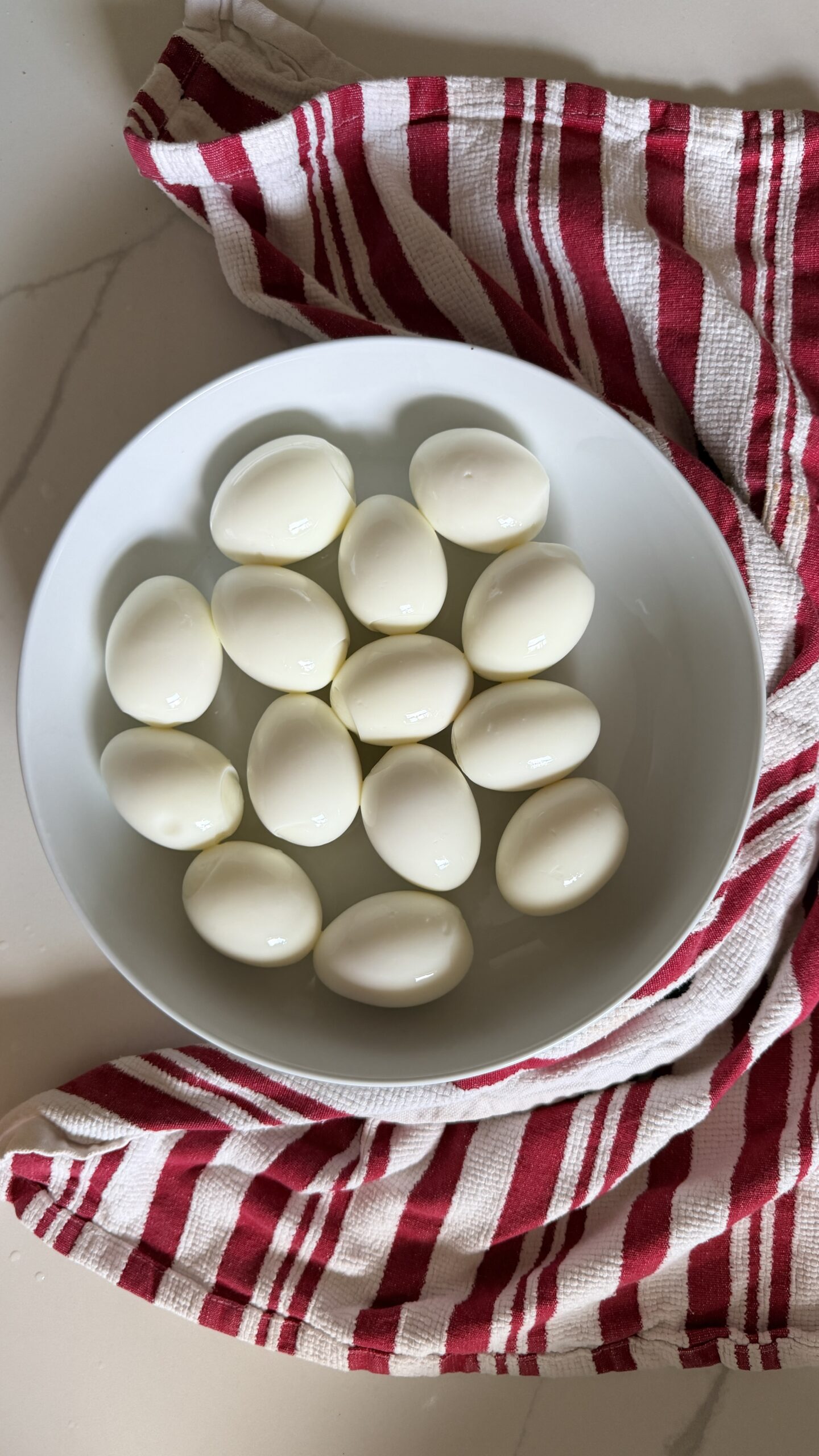
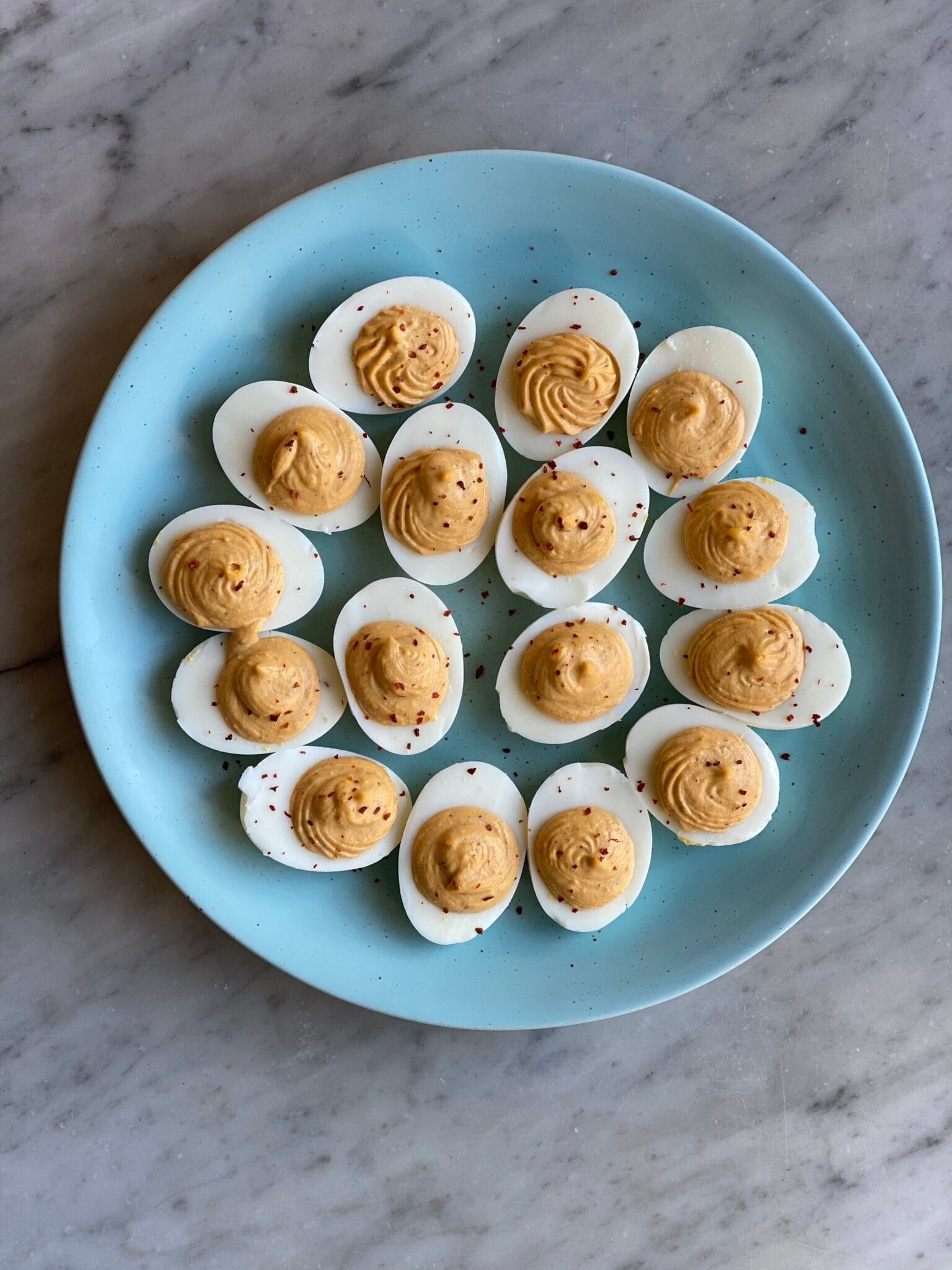
The difference between easy-peel eggs and a kitchen meltdown comes down to two non-negotiable steps: dropping your eggs into boiling water at high heat and immediately plunging them into an ice bath the moment the timer sounds. But if you want to give yourself an even greater advantage on how to boil easy-to-peel hard-boiled eggs, reach for the carton of eggs that are right about at their expiration date. Starting now, you will be making the perfect hard-boiled eggs to use in your favorite deviled egg recipes!
3 Reasons You Will Love This Method
-
The Ultimate Shell Repellent: Dropping eggs directly into boiling water causes the egg whites to shrink quickly away from the shell, guaranteeing easy peeling every single time.
-
No Ugly Green Rings: Transferring the eggs directly into an ice bath instantly halts the cooking process, keeping your yolks perfectly yellow and creamy instead of dry and chalky.
-
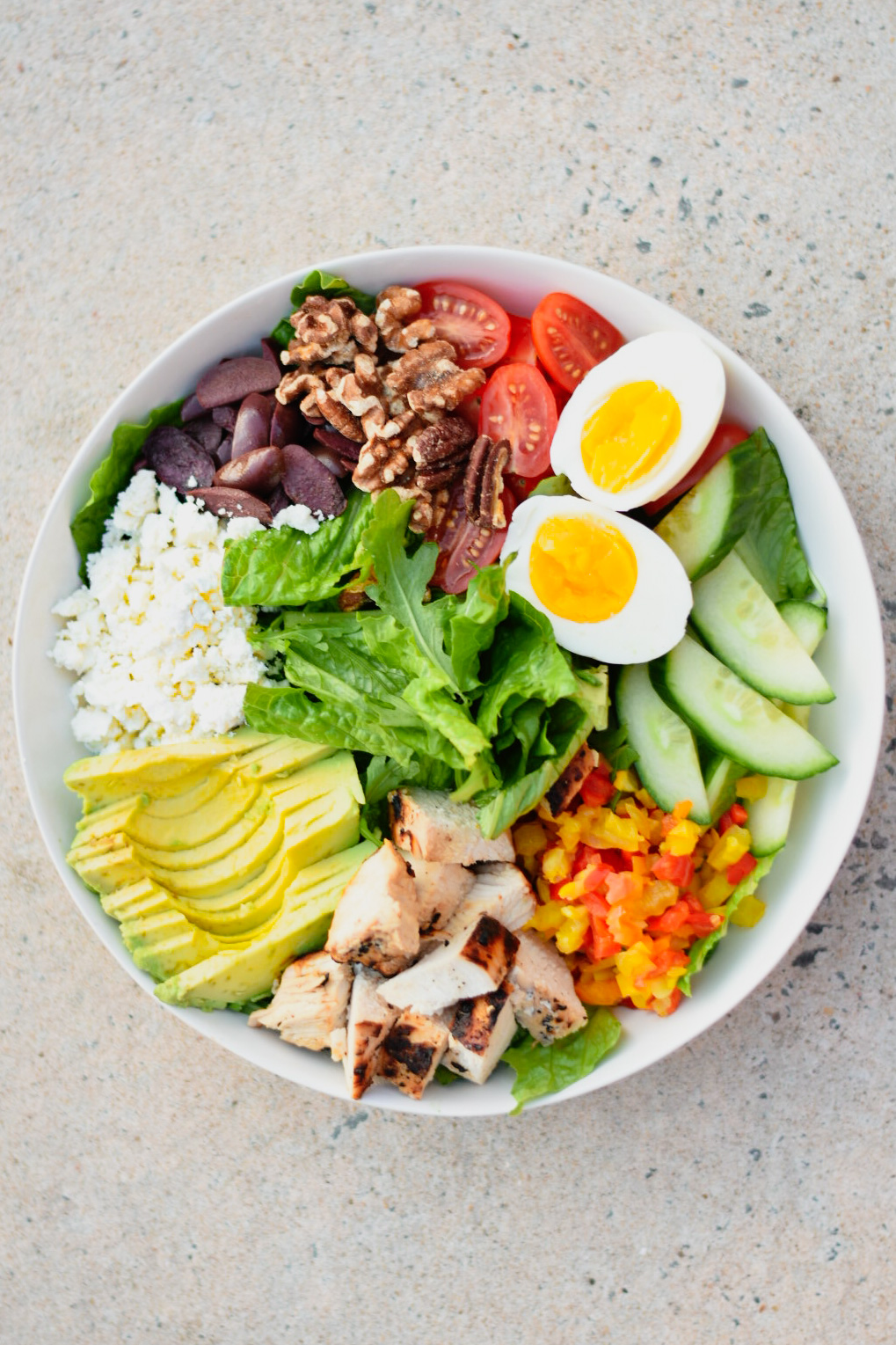
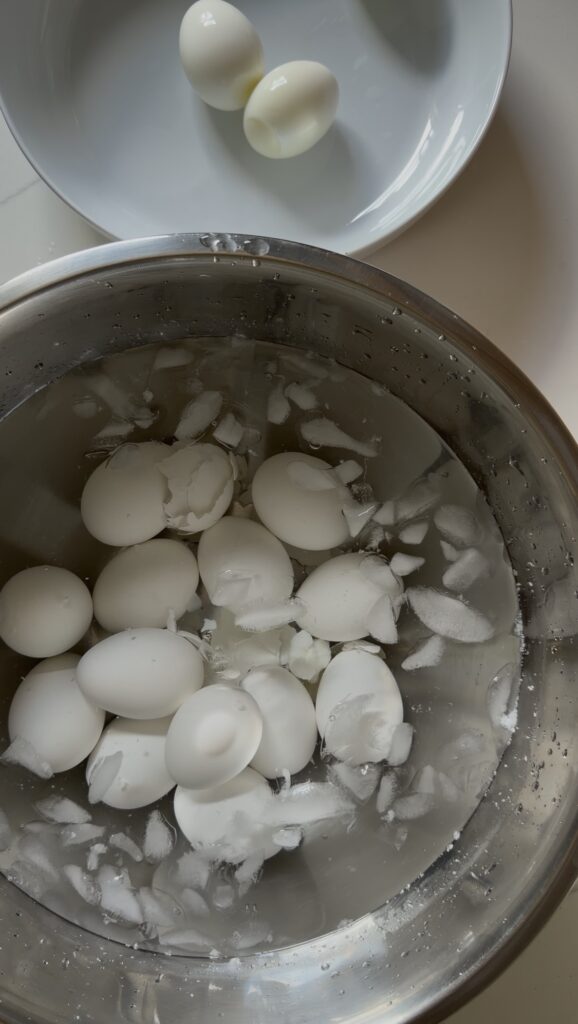
Flawless Presentation: Because the shell separates smoothly from the inner shell membrane, you won’t tear out chunks of egg, leaving you with beautiful, smooth eggs perfect for egg salad sandwiches or a protein-packed snack.
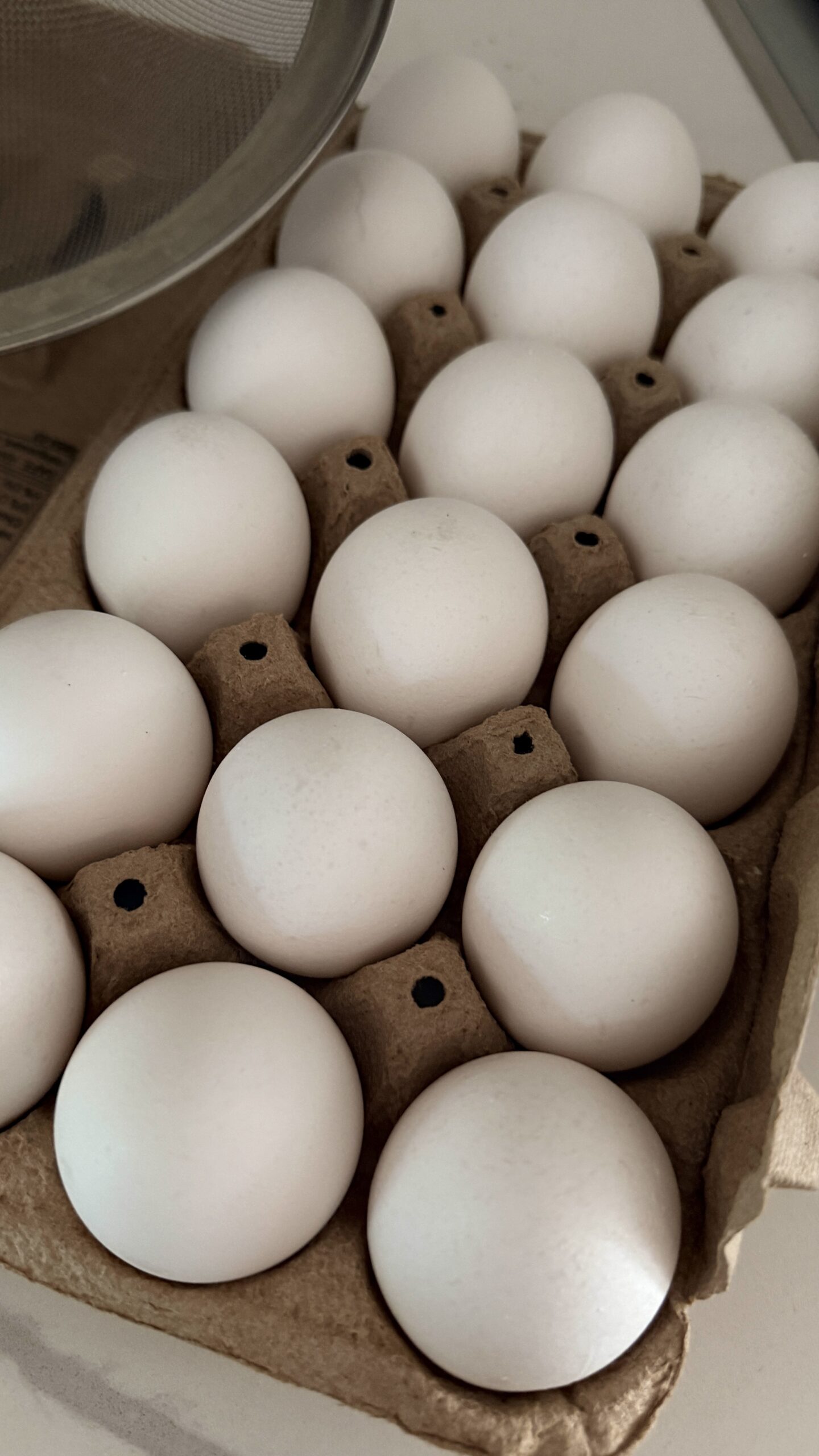
While this technique works with any carton, using older eggs from the grocery store makes the peeling process practically effortless. This is about combining the natural chemistry of an aged egg with aggressive temperature shock so that the inner shell membrane completely releases its death grip on the egg whites.
The Backstory on Why Peeling Eggs Is Such a Nightmare
The frustration of peeling eggs is not new. For decades, home cooks have blamed fresh eggs, skipped the cold water bath, or convinced themselves that adding baking soda to the pot of water was the only solution. The truth is simpler, more scientific, and relies on two factors: the age of the egg and how you introduce it to heat.
Why Expiration-Date Eggs Peel Better:
Freshly laid eggs or farm-fresh eggs are highly acidic, which causes the egg white (the albumen) to stick fiercely to the inner shell membrane. As an egg ages in your refrigerator and approaches its expiration date, it loses carbon dioxide through its porous shell. This raises the pH level of the egg white, making it less acidic. This chemical shift minimizes the bond between the whites and the membrane. Additionally, older eggs lose moisture over time, causing the inner air pocket to expand and the whole egg to shrink slightly inside its casing. When you use eggs near their expiration date, the shell is already naturally primed to slide right off.
The Mistake of the Cold Start:
When you place eggs in a single layer in cold water and slowly bring them to a boil, you undo any advantages your eggs have. The egg whites bond tightly to the inner shell membrane as they gradually warm up and set. By the time the water reaches a full boil, the whites have fused to the shell in a way that makes peeling feel like reconstructive surgery. This slow-cooked method is the enemy of easy peeling.
This foolproof method flips that process. By dropping room temperature, aged eggs directly into boiling water, the egg whites contract and shrink away from the shell almost instantly. The shock of the cold ice bath right after cooking halts the cooking process and creates a micro-layer of moisture between the membrane and the white. The result? Shells that slide off with almost zero effort, leaving you with smooth eggs, perfect to meal prep, eat in salads, or make deviled eggs with. We make up a whole dozen on the weekends so we have easy protein that we can pack in our lunches!
Why This Method Works Better Than Every Other Technique
Most popular methods for how to boil easy-to-peel hard-boiled eggs relies on guesswork, superstition, or outdated advice that does not hold up in real kitchens. The hot start method combined with expiration-date eggs works because it leverages three principles: rapid protein contraction, natural pH changes, and immediate temperature arrest.
-
Rapid Protein Contraction: When you drop eggs into already-boiling water, the egg whites hit extreme heat immediately. This causes the proteins to contract and pull away from the shell before they have a chance to bond with the inner shell membrane. Cold start methods allow the proteins to slowly set while still in contact with the membrane, which is why peeling becomes a war of attrition.
-
The Low-Acid Advantage: Because eggs near their expiration date have a higher, less-acidic pH, the outer layer of the egg white doesn’t tightly grip the membrane. When hit with boiling water, the structural separation is clean and instantaneous.
-
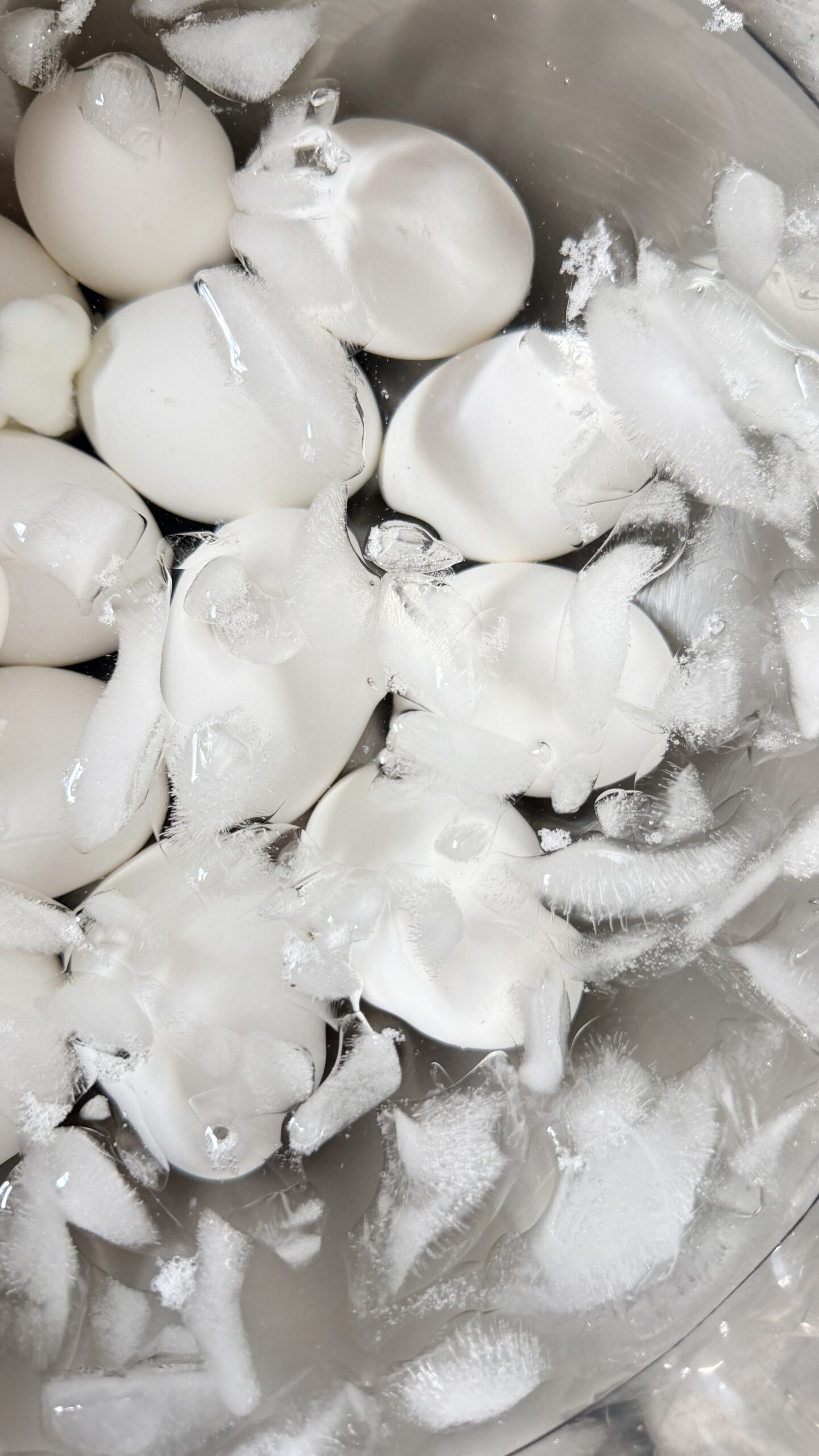
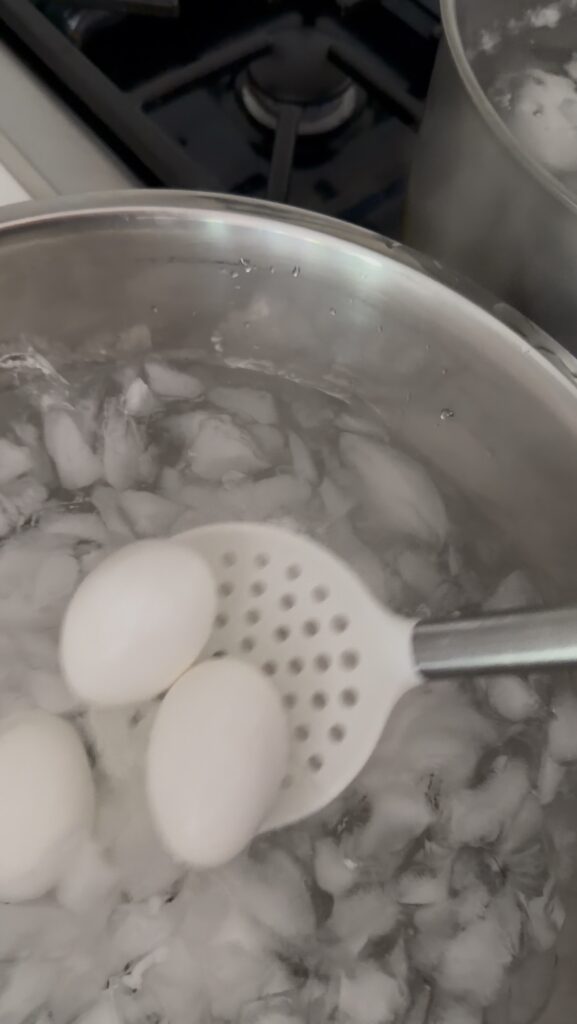
Immediate Temperature Arrest: The second the timer hits twelve minutes, you pull the eggs and plunge them into a large bowl of ice water loaded with ice cubes. This shock of the cold water stops the residual heat from overcooking the yolks, which prevents that ugly gray-green sulfur ring from forming. It also causes the egg whites to contract slightly, creating a gap between the shell and the white that makes peeling almost effortless.
No Gimmicks Required
You do not need a pressure cooker, an Instant Pot, a steamer insert, or any specialty equipment. You do not need to add baking soda, vinegar, or a sprinkle of salt to the water. You do not need to source eggs from your own chickens or wait for a fresh batch to age for weeks—just buy a carton close to its date or let one sit in the fridge until meal prep day. This method works beautifully with standard grocery store eggs, free range eggs, and budget cartons alike. The only thing that matters is the temperature, the age of the egg, and your timing.
This is the easiest way to guarantee best results every single time, whether you are making a protein-packed snack, egg salad sandwiches, or prepping dozens of eggs for meal prep.
The Essential Equipment You Actually Need
One of the best things about this method is how little equipment you actually need. No fancy gadgets, no Instant Pot, no induction ranges required. Here is what matters and why.
-
A medium or large pot: You need enough water to submerge your eggs by at least two inches. A pot that is too small will cause the water temperature to drop when you add the eggs, which throws off the cooking time. A lid is optional but helps bring the water back to a full rolling boil faster after you add the eggs.
-
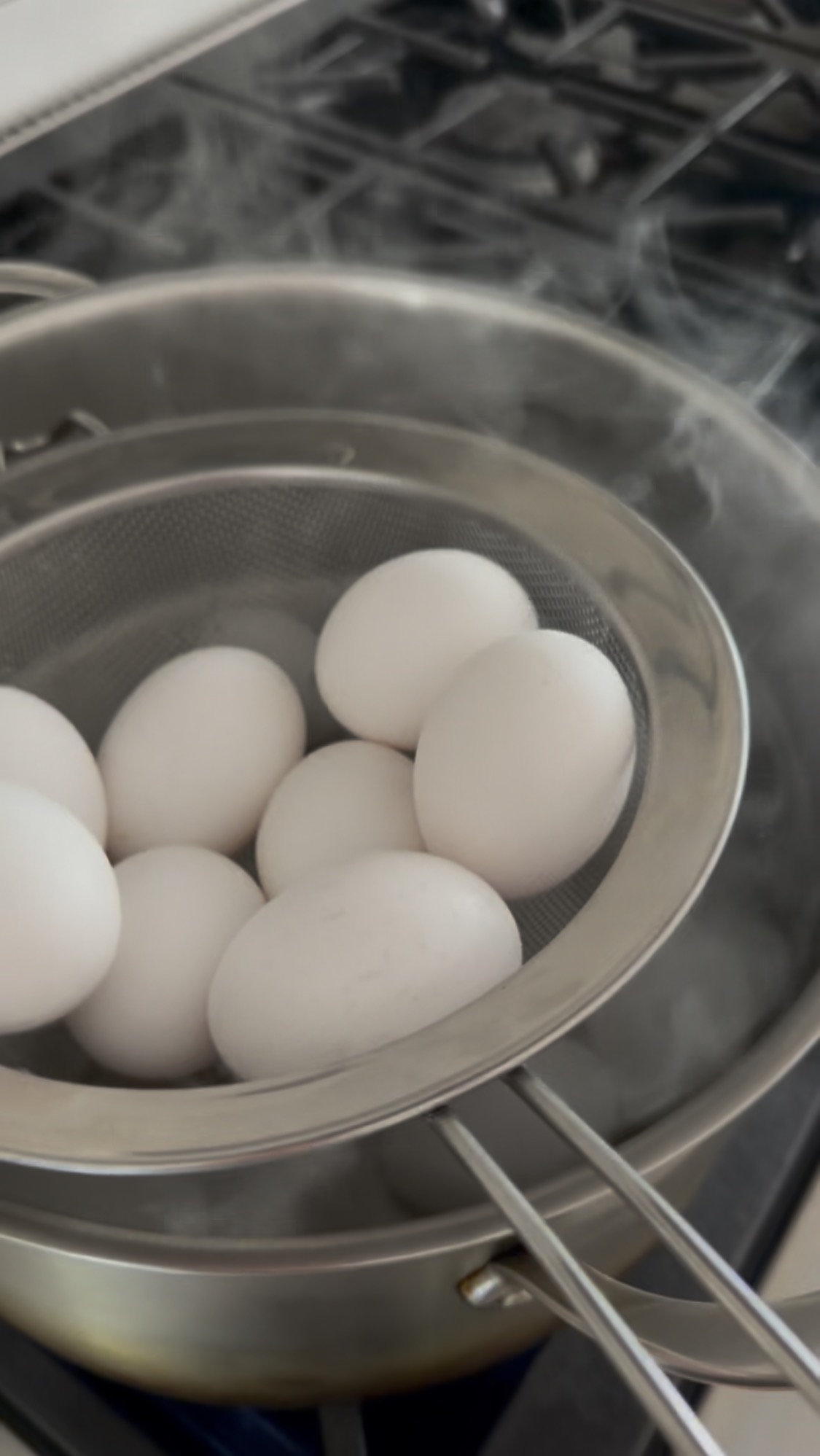
A slotted spoon or spider strainer: This is the safest way to lower eggs into boiling water without cracking them or burning your fingers. A regular spoon works, but a slotted spoon gives you more control and drains away the hot water instantly when you transfer the eggs to the ice bath.
-
A large bowl for the ice bath: This needs to be big enough to hold all your eggs plus a generous amount of ice cubes and cold water. If the bowl is too small, the eggs will not chill fast enough, and you risk overcooking the yolks with residual heat.
-
Your phone: “Hey Siri, set a timer for 12 minutes” Twelve minutes is non-negotiable for large eggs. Smaller eggs will need eleven minutes, and extra-large eggs may need thirteen. Guessing will give you runny yolks or chalky, overcooked centers. Set a your timer on your phone, and walk away…but not too far.
If you do not have a slotted spoon, you can use tongs or even carefully pour the eggs into the pot, but a slotted spoon is the safest and most efficient option. If you do not have enough ice cubes, use the cold running water. The goal is to drop the temperature as fast as possible.
Leave a Reply